
The complete guide
How to Choose an Extra Large Toy Chest That Actually Clears the Floor
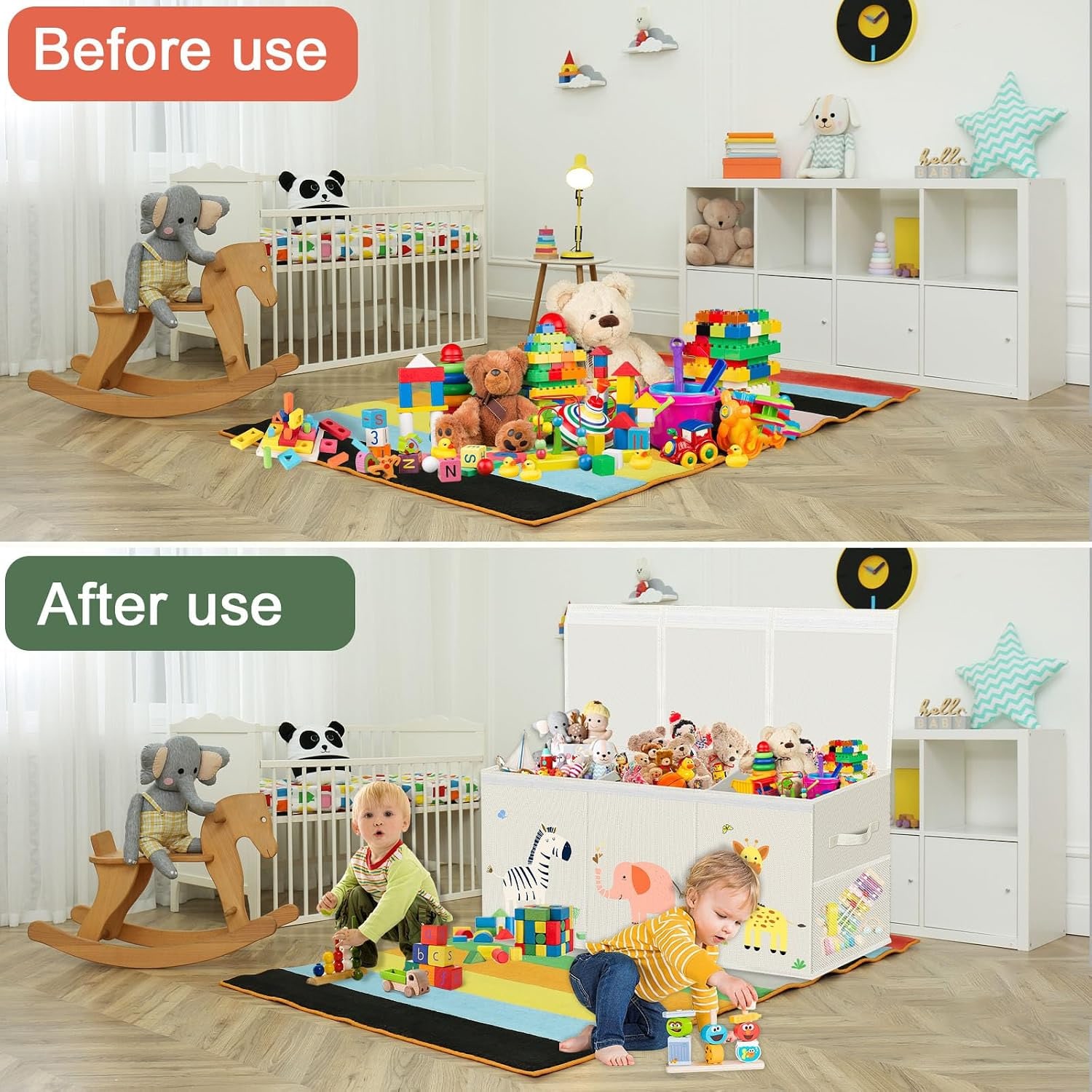
The problem is not mess, it is capacity
Most homes do not have a tidying problem. They have a storage problem that looks like a tidying problem.
Here is how it usually goes. You buy a few cute baskets. They look great for about a fortnight. Then the toy collection grows, the baskets overflow, and anything that does not fit lives on the floor permanently. Now the tidy-up is a sorting exercise every single night, and nobody has the patience for that at 7pm.
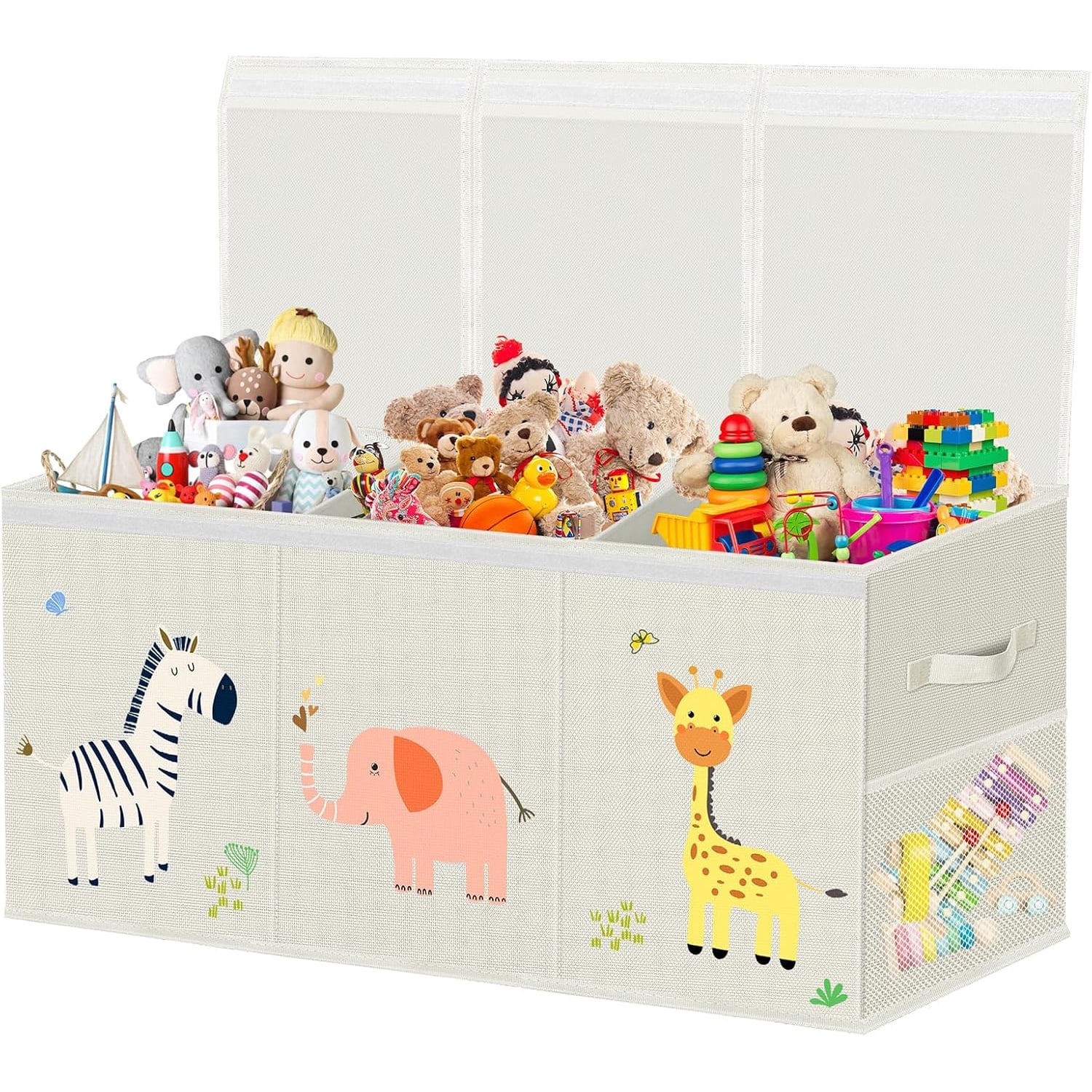
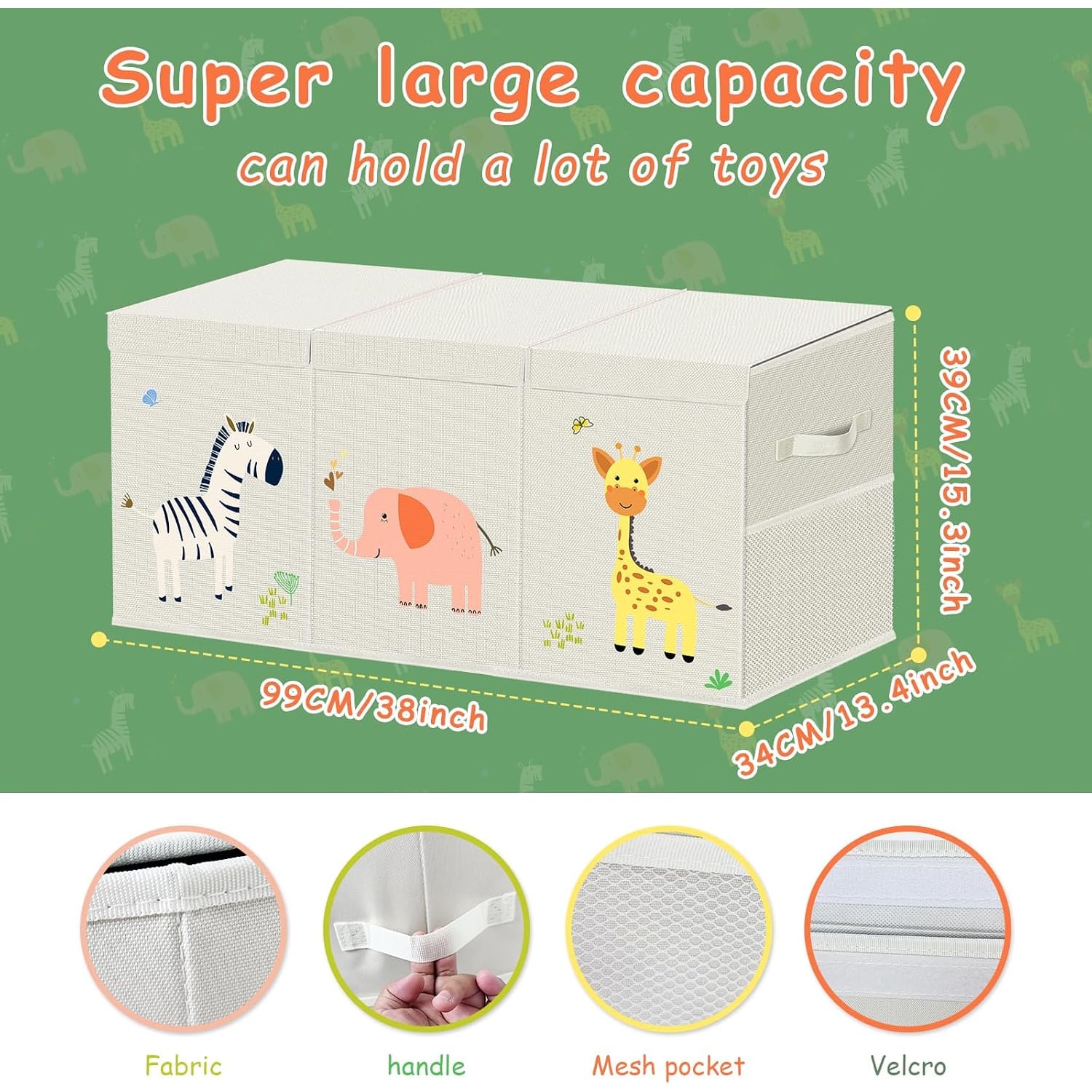
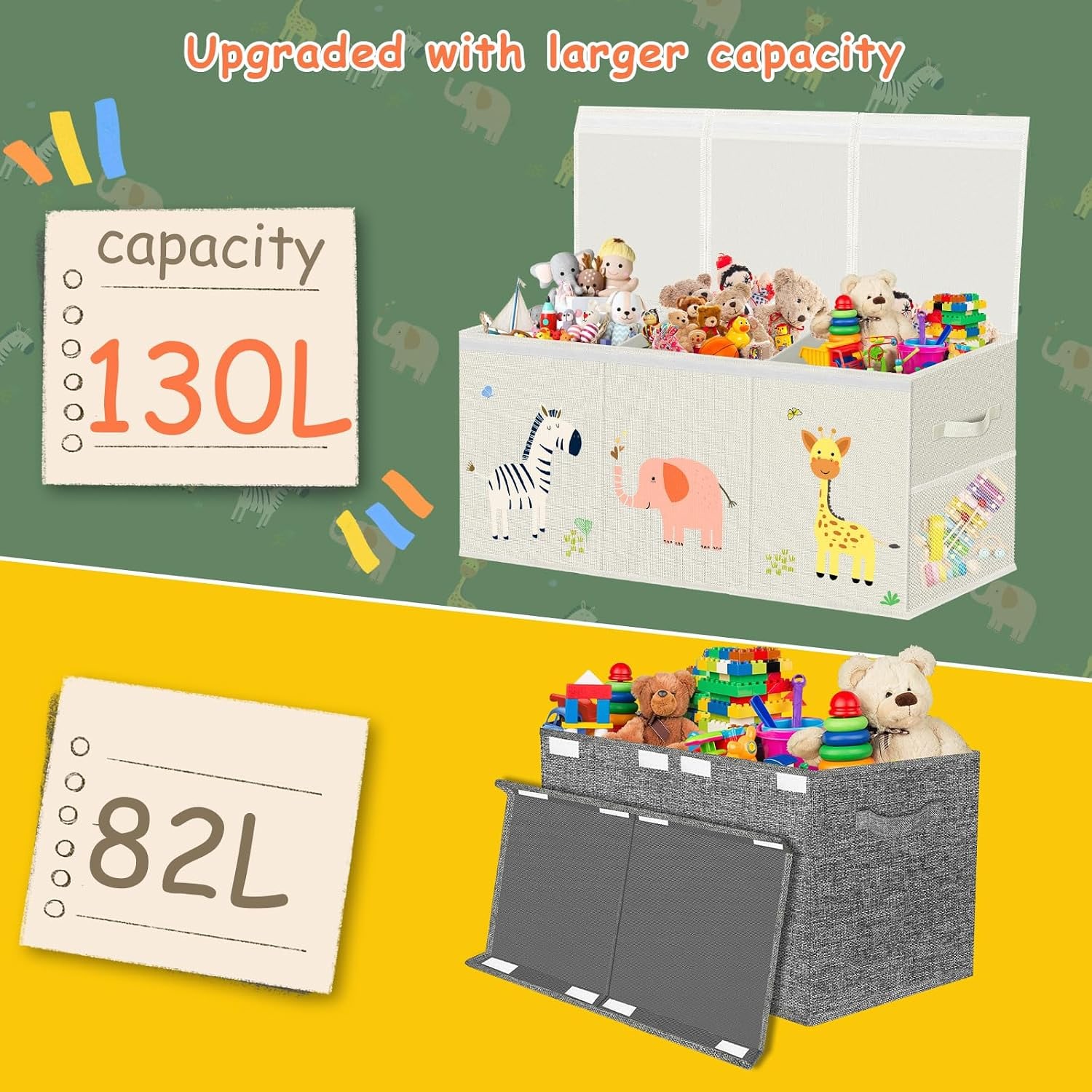
A big box solves this in a blunt but effective way. When there is more room than there are toys, putting things away becomes a sweep rather than a puzzle. This extra large toy chest holds 130 litres, measuring 99cm long, 34cm wide and 39cm high. That is a lot of room in a shape that still fits against a wall.
What 130 litres actually looks like
Litres are hard to picture, so think about it in objects instead.
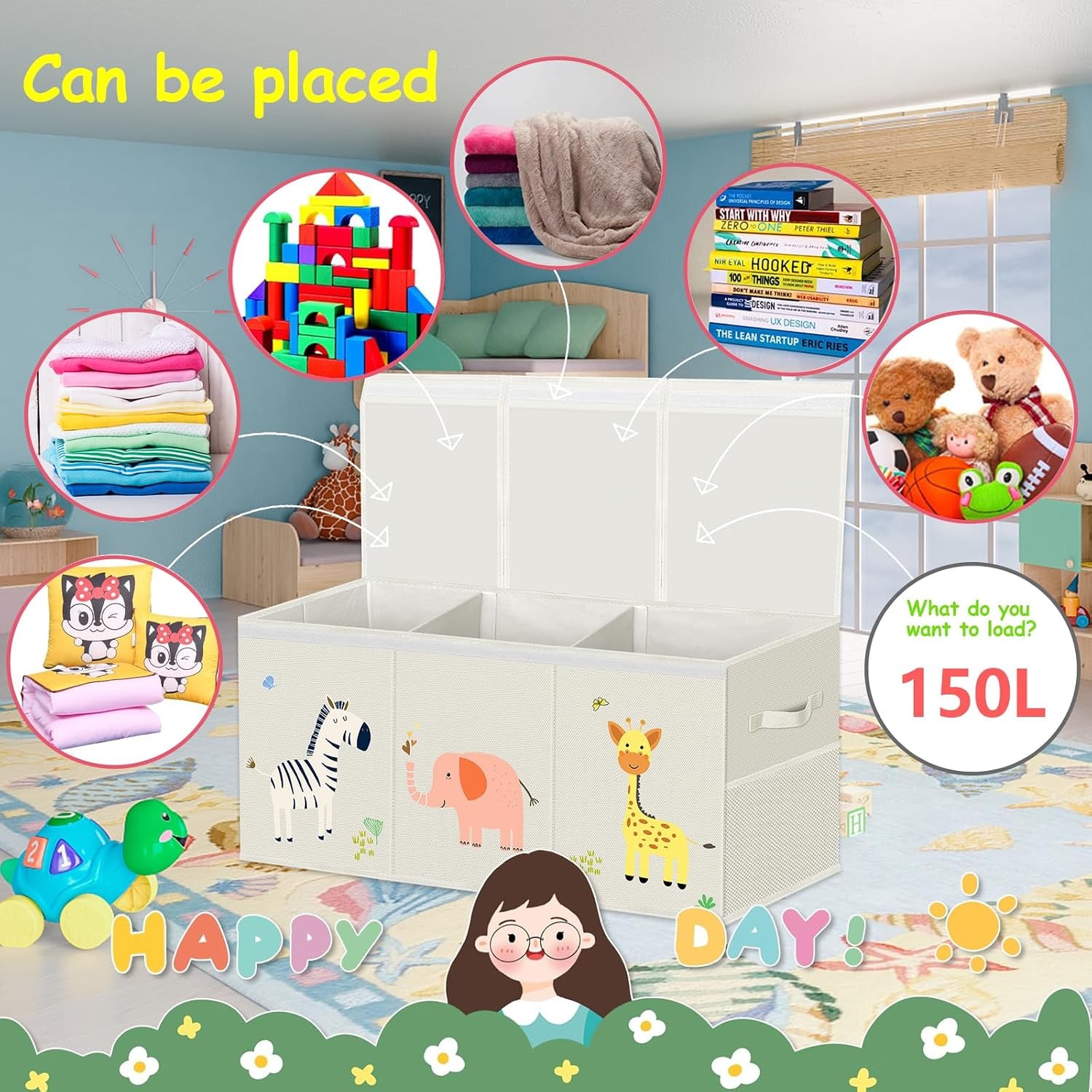
A box this size will take a full set of building blocks, a dozen soft toys, a stack of board games and a pile of picture books, with space left over. If you use it for bedding instead, you are looking at a couple of quilts or a solid stack of towels and blankets. People hunting for the best large blanket box often land on something this size for exactly that reason.
The 99cm length is the part to pay attention to. It is longer than a lot of people expect, and that is deliberate. A long, low box uses the wall space that most homes have going spare, while a tall cube tends to block things. Pull out a tape measure before you order and check the actual run of wall, not the wall you picture in your head.
How the box is put together
The body is fabric and it folds flat when empty, which is a bigger deal than it sounds. Storage that cannot be put away just becomes more clutter. If the toy collection shrinks, or you only need the extra space over the holidays, the box collapses and slides under a bed.
The lid lifts off completely. There is no zip and no hinge. That means two things in daily use. First, there is no zip pull for small hands to fight with, and no zip teeth to catch on. Second, a child can take the lid off and put it back without help, which is the whole point of giving them their own storage. Anyone comparing the best lift-off lid toy box options against zipped designs usually comes down on this side once they have lived with a stuck zip.
Two handles are fitted for carrying. Loaded, a 130-litre box gets heavy, so use both and take some contents out before any long trips up stairs.
The compartments are what make a big box usable
Here is the catch with large storage. Without any internal structure, everything sinks into one deep layer and the box becomes a pit. Your child digs to the bottom looking for one specific car, and now the floor is covered again.
Three adjustable compartments fix that. Books stand upright in one section instead of lying flat. Blocks go in another. Soft toys take the third, since they are bulky but light. The dividers are adjustable, so if you need one open cavity for a quilt or a big ride-on toy accessory, you can set it up that way instead.
There are also nets on the left and right sides. Flat items like colouring pads and thin paperback books slot in there, which keeps the main cavity free for the bulky stuff. It is a small feature that earns its place.
Who this suits
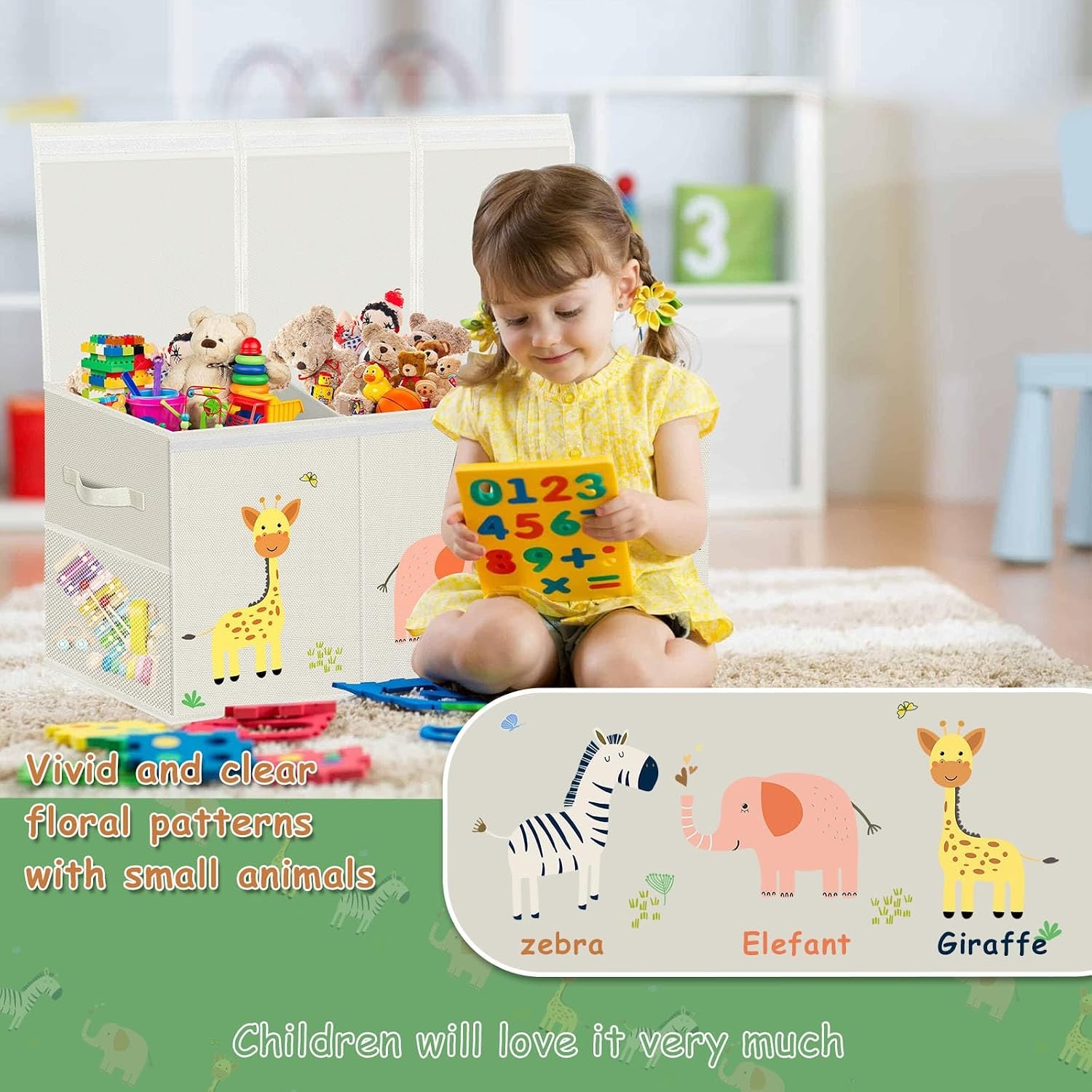
This works best for homes where toys live in a shared space. If the living room doubles as the playroom, a neutral beige fabric box in a contemporary plain finish does not shout for attention the way bright plastic does. At the end of the day the toys go in, the lid goes on, and the room reads as a room again.
It also suits shared bedrooms. The 2 pack means one box each, which quietly settles a lot of arguments about whose things are whose.
It is less suited to anyone who needs a hard, lockable or weatherproof container. This is fabric. It can go in a car boot, a caravan or out to a picnic, but keep it dry and off wet ground. If you need something to sit on a verandah through winter, look elsewhere.
How to choose between this and the alternatives
Work backwards from three questions.
How much space do you have, and in what shape? Long and low beats tall and square in most living rooms, because you can tuck it under a window or beside a sofa. If your only free space is a narrow vertical gap, a shelving unit may serve you better than any box.
Does it need to disappear sometimes? Rigid boxes and wooden chests are permanent furniture. A collapsible one is not. If you rent, move often, or only need the capacity part of the year, folding flat is worth a lot. This is the practical appeal of the best foldable storage chest designs over solid ones.
One big box or several small ones? Small containers sort better but fill up faster and cost more per litre of space. A single large box with internal dividers tries to get both. For families with a broad mix of toys, that middle ground usually wins.
Think about weight too. A fabric box with handles can be carried room to room. A timber chest stays where you put it.
Looking after it
Care is simple because fabric is forgiving.
Wipe marks with a damp cloth and a little mild soap, then let the fabric dry fully before you refill it. Do not machine wash it, soak it or put it anywhere near a dryer. The box has internal panels that hold its shape, and water will ruin them. Spot clean as spills happen rather than waiting and doing one big clean.
Keep it off wet floors, especially in laundries and bathrooms. If it does get damp, open the lid and let air move through it before you put toys back in.
When you fold it away, store it somewhere dry and flat. Avoid stacking heavy objects on a folded box for months on end, as that can crease the panels.
A few practical setup tips
Put the heaviest items in the bottom of a stack if you are stacking the two boxes. An evenly packed lower box also keeps the lid flat, which makes the stack stable.
Give each compartment a job and stick to it. The sorting only works if everyone knows where things go. A quick label on each section helps when children are first learning the system.
Do not fill it to the absolute brim. Leaving a bit of headroom means the lid sits properly, and it makes the last-minute sweep at bedtime much easier.
The short version
This is a 130-litre fabric toy chest, 99cm by 34cm by 39cm, sold as a 2 pack in beige. It has a lift-off lid, two handles, three adjustable compartments and side nets, and it folds flat or stacks when you are done with it.
If your floor is covered because your current storage is simply too small, this fixes the actual problem. Measure your wall first, decide whether you want both boxes out at once, and keep it somewhere dry. That is about all there is to it.