

The complete guide
How to Choose a Rolling Toy Box That Actually Gets Used
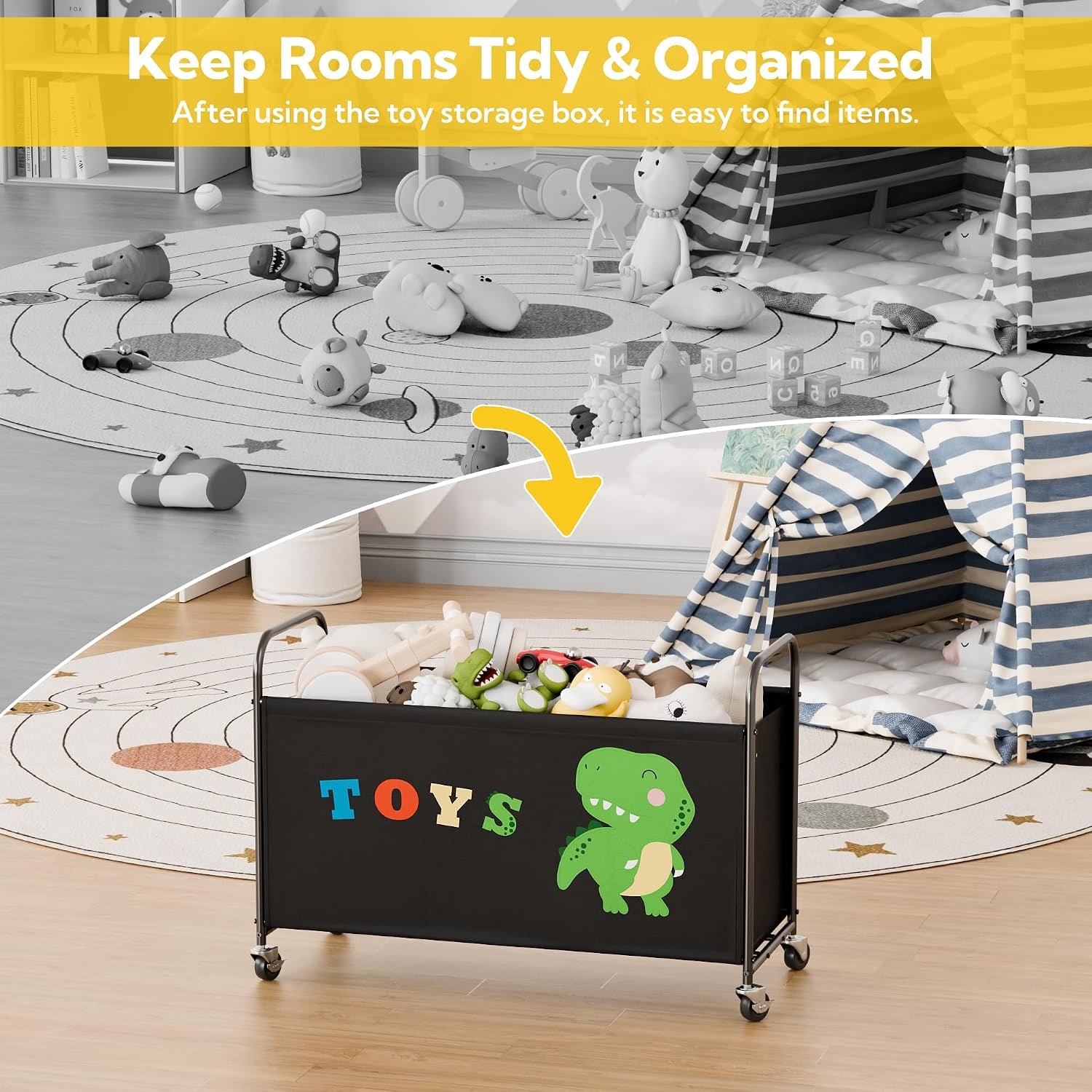
The problem is rarely storage, it is distance
Most homes already own somewhere to put toys. A basket, a shelf, a cupboard, maybe three different bins that were bought in three different years. The reason the floor still looks like it does is not a shortage of containers. It is that the container is in the wrong room.
Play happens where the people are. That means the lounge room on a rainy Sunday, the kitchen floor while dinner is cooking, a bedroom at bedtime. Storage, meanwhile, tends to stay put. So tidying up turns into a carrying job, and carrying jobs get postponed.
A toy chest with wheels removes the carrying. You push the box to the mess instead of ferrying the mess to the box. That one change is why rolling toy storage tends to get used when fixed storage gets ignored.
What this box is
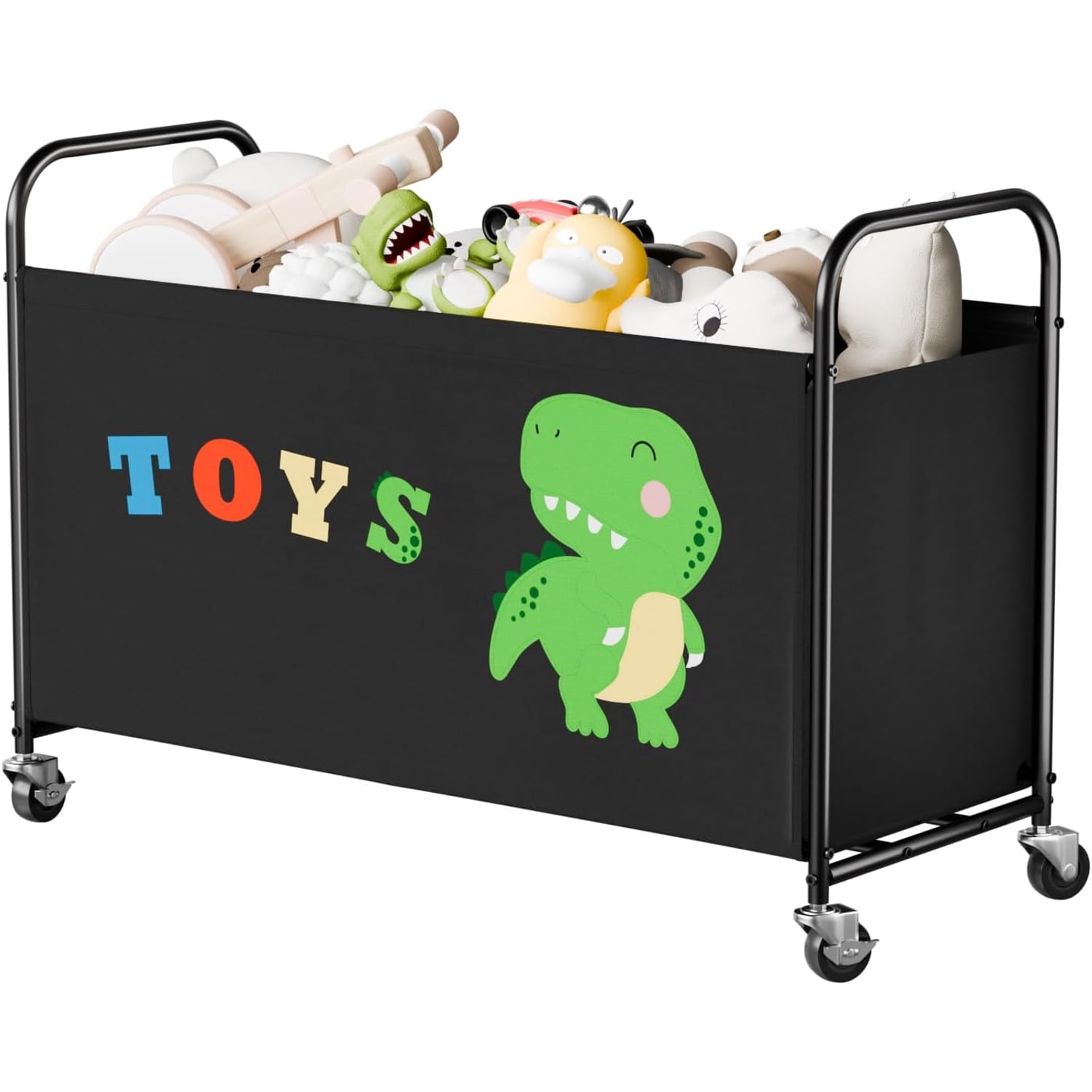
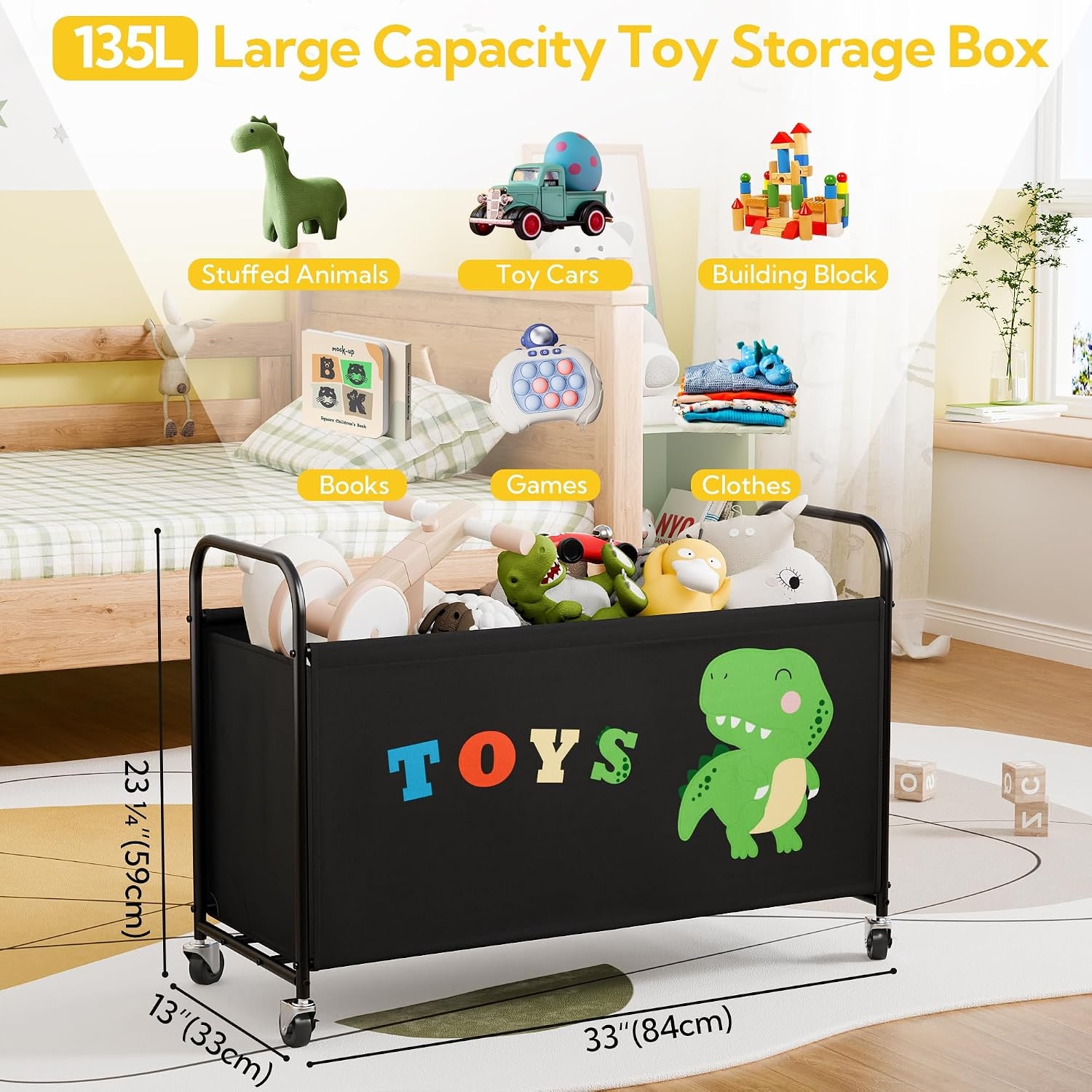
This one is a metal frame wrapped in thickened 300D printed Oxford cloth, sitting on four metal castors. It measures 84 cm long, 33 cm deep and 59 cm tall, and holds 135 litres. The maker states it carries up to 150 lb and keeps its shape under load.
The frame is the part doing the quiet work. A fabric bin without a frame sags inward as soon as it is half empty, and then it will not stand up while you are trying to drop things into it. With a metal frame inside, the sides stay square whether the box is full or nearly bare.
The fabric is the part that takes the abuse. Oxford cloth at 300D is a heavier weave than the thin polyester used on cheap collapsible cubes, and it is described as resisting punctures from sharp toys. Anyone who has watched a toy car corner tear through a flimsy bin will appreciate why that matters.
The wheels, and why two of them lock
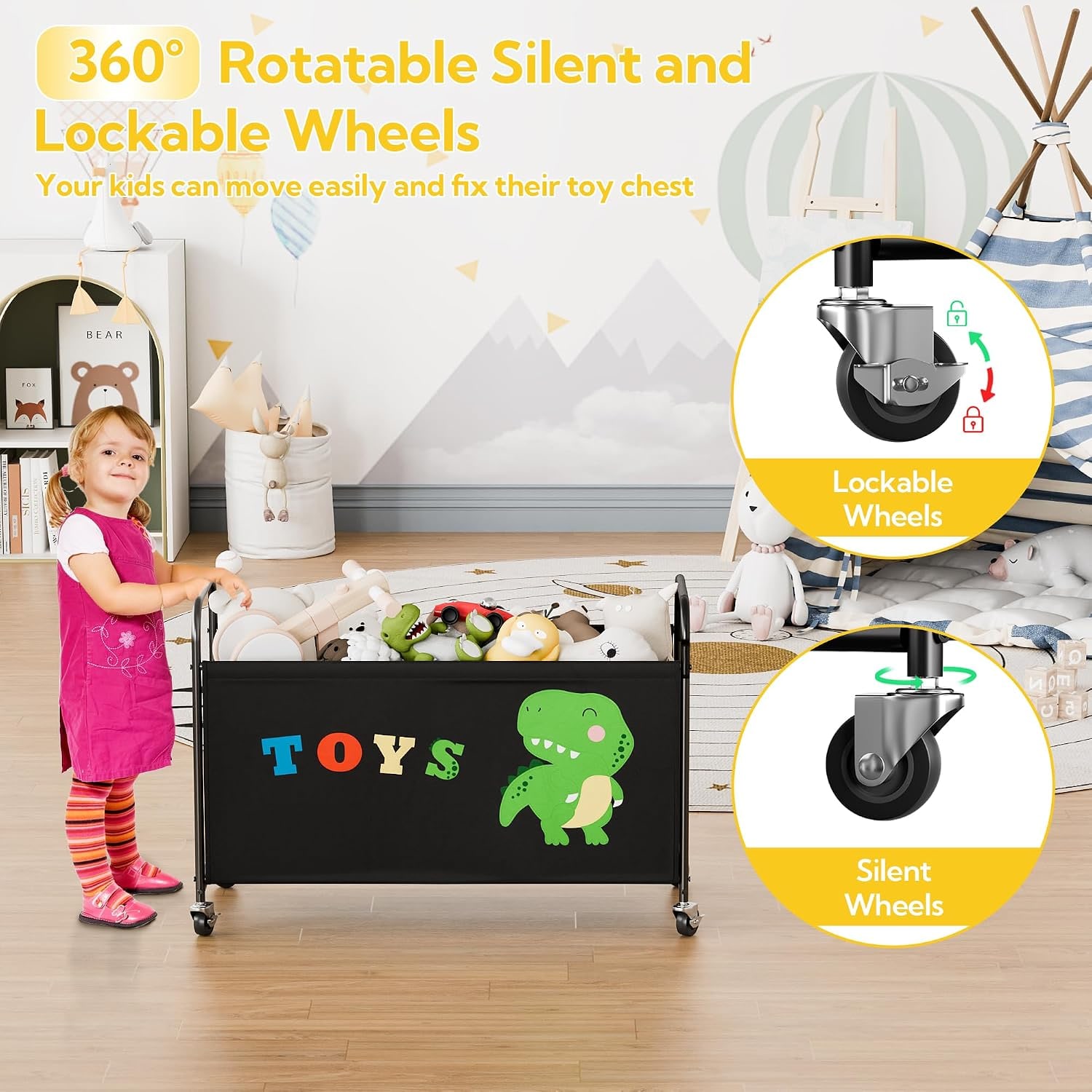
All four castors swivel a full 360 degrees. That means the box turns on the spot rather than needing to be dragged around in an arc, which is the difference between steering it past a couch and giving up and lifting it.
Two of those castors lock. This sounds like a small spec line until you have used a rolling box without it. Loading a box that rolls away from you every time something is dropped in is genuinely frustrating. Brake it, fill it, release it, roll it. That sequence becomes automatic within a day.
Metal wheels roll best on hard floors. Timber, tile, vinyl and laminate are all easy. Low-pile carpet works but needs more push. Thick pile is the one surface where a wheeled box stops being an advantage, so if your whole house is deep carpet, think of the wheels as a bonus for repositioning rather than a daily feature.
Sizing it for your room
The number people fixate on is capacity. The number that decides whether you keep the thing is depth.
At 33 cm deep, this box sits against a wall without jutting into the walkway. That is what lets it live under a window, beside a wardrobe, at the end of a bed, or along the back of a lounge room without anyone banging a shin on it. A deeper box holds more but eats floor, and a box that blocks a path gets shoved somewhere else and then forgotten.
The 84 cm length is the figure to check against your actual gap. Measure the wall space, measure the internal width if it is going inside a wardrobe, and allow a few centimetres of slack so you are not wedging it in. The 59 cm height matters mostly for whether it clears a window sill or sits level with a bed.
Furniture is best chosen by its measurements, not by anyone's age. Work from the space you have and the things you need to put away.
Who it suits
If your toys are mostly small and need sorting by type, a wall of little bins is a better system. One large toy box is not a sorting tool.
Where this shines is bulk and speed. Soft toys, costumes, oversized plastic playsets, building blocks by the bucket, balls, the stuff that never fits neatly into a shelf cube. The open top means a child can clear an armful without opening a lid or deciding which box it belongs in. Lower friction means it actually happens.
It also handles things that have nothing to do with play. Spare blankets, pillows, shoes in a hallway, sports gear, craft supplies, laundry heading in either direction. People often buy a large fabric storage bin for one job and end up moving it around the house for another.
A sensible setup is one rolling box for the bulky overflow, plus a smaller sorted system for the fiddly things. That covers both speed and order.
Setting it up
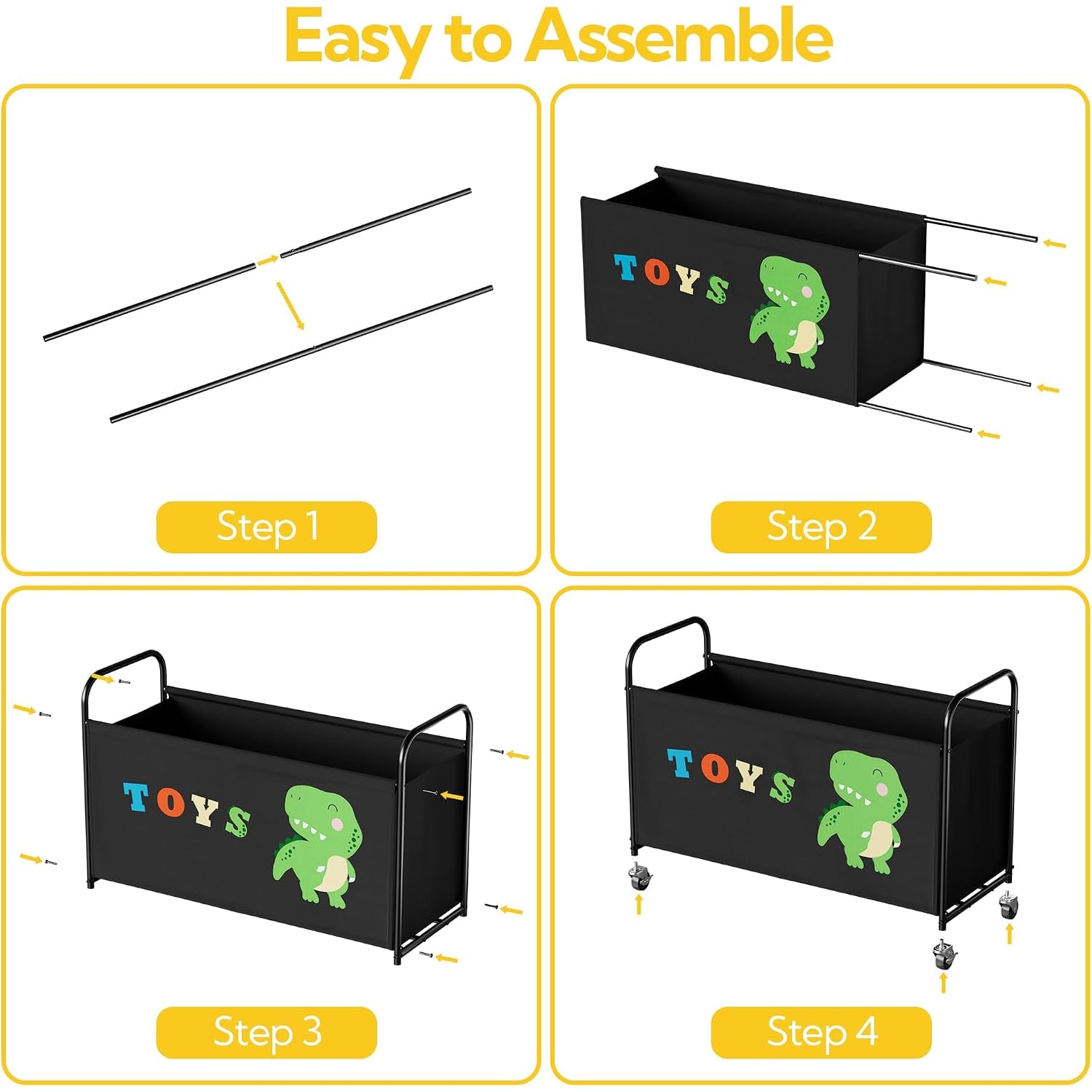
No extra tools are required. The frame and panels assemble by hand, which means the box goes from carton to working storage the same day it arrives rather than waiting on someone to locate a screwdriver.
Follow the included instructions for the order of assembly, since fabric panels usually need to go on in a particular sequence. Take a minute to make sure every frame joint is fully seated before you start loading it, because a joint that is only half home is the usual reason a frame box feels wobbly.
The same tool-free design means it comes apart again, which is useful when moving house or packing it away for a while. Keep the instruction sheet somewhere you will find it.
Keeping it in good shape
The fabric wipes down with a damp cloth and a little mild detergent. Let it dry fully in the air before you refill it, since putting toys back into a damp box is how a storage bin starts to smell. Do not machine wash or tumble dry the panels. The frame inside is metal, so keep it dry and deal with spills reasonably promptly.
Wheels need almost nothing, but they do need that nothing done occasionally. Tip the box on its side every month or two and pull out the hair, dust and grit that collects around the castor housings. Trapped grit is behind nearly every wheel that has gone stiff, squeaky, or started marking a floor. Thirty seconds of picking fixes it.
Lock the two braked castors when the box is parked long term, particularly if it lives near a doorway or at the end of a bed where it gets bumped.
A quick comparison
Against a hard plastic chest, this is lighter to move and far less likely to crack, and the fabric is kinder to skirting boards. A plastic chest wins if you need something fully wipeable inside and out.
Against an unframed fabric cube, this wins on shape. Cubes collapse inward and have to be propped against something. The metal frame keeps this standing on its own.
Against built-in shelving, shelving looks tidier and sorts better, but it cannot follow you to the lounge room. That is the trade-off, and it is the reason rolling storage keeps earning its place.
The short version
This is a 135 litre box, 84 by 33 by 59 cm, built from a metal frame and 300D Oxford cloth, on four 360 degree metal castors with two locks. It assembles without tools, it is stated to carry 150 lb, and the shallow depth keeps it out of the walkway.
Measure your gap against 84 cm of width first. If it fits, you have somewhere to put the floor at the end of the day, and that somewhere comes to you.